

Mandatory steps to be taken if your building was built before 2008.

1. Conduct an Asbestos Audit and Inventory
The first step is identifying if and where asbestos exists. You cannot manage what you haven't mapped.
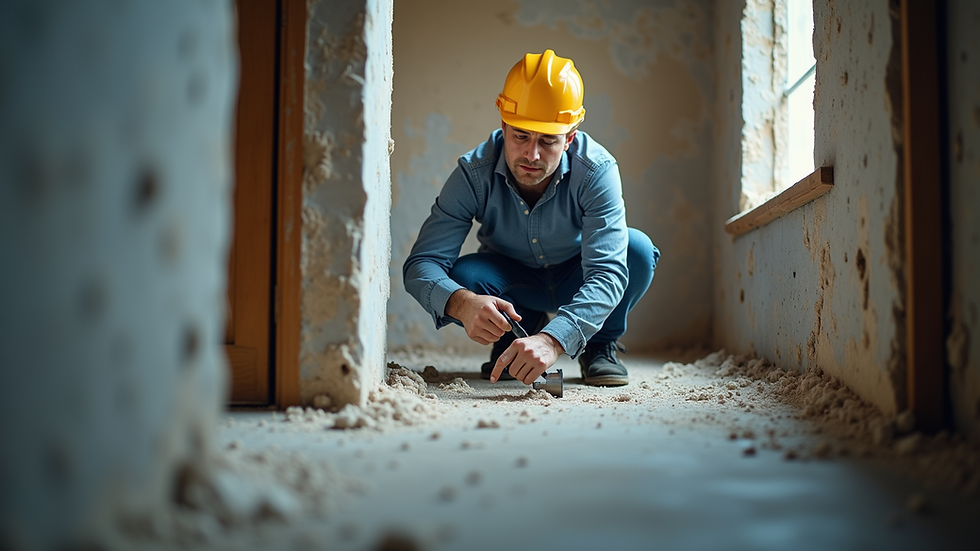
Hire a Competent Person: You must appoint a specialist (often an Approved Inspection Authority or certified surveyor) to conduct a thorough inspection.
Create a Register: Document the location, type (e.g., lagging, floor tiles, or ceiling boards), and current condition of all ACMs.
The "Assume" Rule: If you cannot access a certain area (like behind a wall), you must legally assume it contains asbestos until proven otherwise.
2. Perform a Risk Assessment
Once you have your inventory, you need to determine the level of risk.
Condition Check: Is the asbestos sealed and "non-friable" (unlikely to crumble), or is it damaged and "friable" (releasing fibers)?
Activity Levels: How often do employees or contractors work near these materials?
Frequency: Most jurisdictions require this risk assessment to be reviewed every 24 months or sooner if the building's use changes.
3. Develop a Written Management Plan
A register is a snapshot; a Management Plan is a strategy. Your plan should include:
Maintenance Schedules: How and when the asbestos will be monitored.
Emergency Protocols: What happens if someone accidentally drills into an asbestos wall?
Phasing Out: A long-term plan to eventually remove and replace ACMs.
Access Control: Clearly marking "Regulated Asbestos Areas" with signage to prevent unauthorized entry.
4. Provide Mandatory Training
Ignorance is the leading cause of exposure. Employers must provide:
Asbestos Awareness Training: For any staff who might work near ACMs (maintenance, cleaners, etc.). Note: Awareness training does not authorize them to remove it.
PPE/RPE Training: If work is being done, ensure staff are trained on the specific use of respirators and disposable overalls.
5. Hire Licensed Contractors for Removal
If asbestos needs to be removed or repaired (Type 2 or Type 3 work), never use your internal maintenance team unless they are specifically registered asbestos contractors.
Notification: You must notify the Department of Labour or the relevant health authority before any significant removal work begins.
Air Monitoring: During and after removal, air sampling must be conducted to ensure no fibers remain in the environment.
Clearance Certificates: Do not allow staff back into a work area until an independent inspector has issued a clearance certificate.
6. Record Keeping (The 50-Year Rule)
In many regions, asbestos-related health issues take decades to manifest. Consequently, you are often legally required to keep all asbestos-related records—inventories, air monitoring, and medical surveillance—for up to 50 years.
Call us 066 220 3090 or send us a WhatsApp on 066 255 1494


Comments